
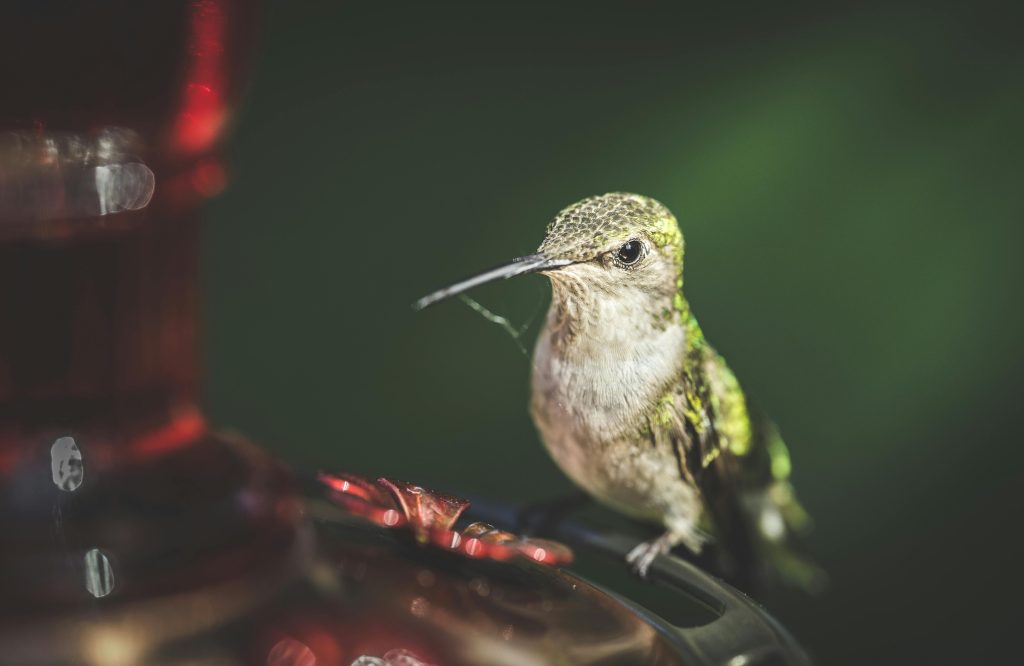
You hung up a beautiful new feeder, mixed up fresh nectar, and waited. And waited. Days have gone by, and not a single hummingbird has stopped by. What gives?
It’s one of the most common frustrations in backyard birding, and the good news is that the problem is almost always fixable. Here’s a checklist of the most likely reasons your feeder is being ignored — and what to do about each one.
They Haven’t Found It Yet
Hummingbirds find feeders by sight. If yours is brand new or in a new location, it may take days or even a couple of weeks before any bird notices it. This is especially true if you don’t have established hummingbird traffic in your yard.
The fix: be patient, and make the feeder more visible. Hang it near red or orange flowers, tie a red ribbon nearby (not on the feeder itself), or place it close to a window where you’ll spot any visitors. Once one hummingbird discovers it, others will follow.
The Location Is Wrong
Where you hang the feeder matters more than most people think. Hummingbirds want to feel safe while they eat. They’re cautious birds and won’t visit a feeder that exposes them to predators or strong weather.
- Too exposed: A feeder in the middle of an open lawn feels risky. Hummingbirds prefer somewhere with cover within a quick flight.
- Too hidden: A feeder buried in dense shrubs is hard to spot from the air.
- Too sunny: Direct afternoon sun spoils nectar fast and makes the feeder uncomfortably hot.
- Too windy: Constant swaying scares birds off.
The sweet spot is partial shade, near (but not inside) trees or shrubs, with a clear flight path in.
The Nectar Is Off
Hummingbirds can taste fermented or contaminated nectar, and they’ll refuse it. If your feeder has been hanging more than a few days in warm weather, the nectar may already be bad — even if it looks fine.
Empty it, scrub the feeder with hot water and a bottle brush (skip the soap, or rinse very thoroughly), and refill with fresh one-to-four sugar water. No red dye, no honey, no shortcuts.
Bees, Wasps, or Ants Took Over
If insects have claimed the feeder, hummingbirds will give up and find somewhere else. Ants leave a trail and pheromone scent that signals “stay away” to birds. Wasps can be downright aggressive.
Use an ant moat above the feeder — it’s a small water-filled cup that ants can’t cross. Move the feeder a few feet to break the insect cycle, and keep the area around it clean of fallen nectar drips. If wasps are persistent, take the feeder down for a few days. They’ll usually move on, and the hummingbirds will return when you put it back up.
The Season or Timing Is Off
Hummingbirds are migratory, and your area may not have many around at certain times of year. Spring arrival and fall departure dates vary widely by region. If you’re in the southern U.S., birds may be present nearly year-round. In the north, they may only pass through in spring and fall.
A quick search for “hummingbird migration map” plus your state will tell you when to expect peak activity. Don’t take it personally if your July is quiet — they may be busy nesting or feasting on wildflowers.
You Have Competition
If a neighbor has multiple feeders, more flowers, or a more sheltered yard, the local hummingbirds may be choosing them over you. That’s not a failure — it just means you need to make your yard equally appealing.
Add nectar-rich flowers like salvia, bee balm, trumpet vine, or fuchsia. Plant in clusters, not single stems. Provide a shallow water source. Build a habitat, not just a feeder.
A quiet feeder is almost always solvable. Walk through the list, make small adjustments, and give it time. Hummingbirds are creatures of habit — once you earn a spot on their route, you’ll have them for years.