
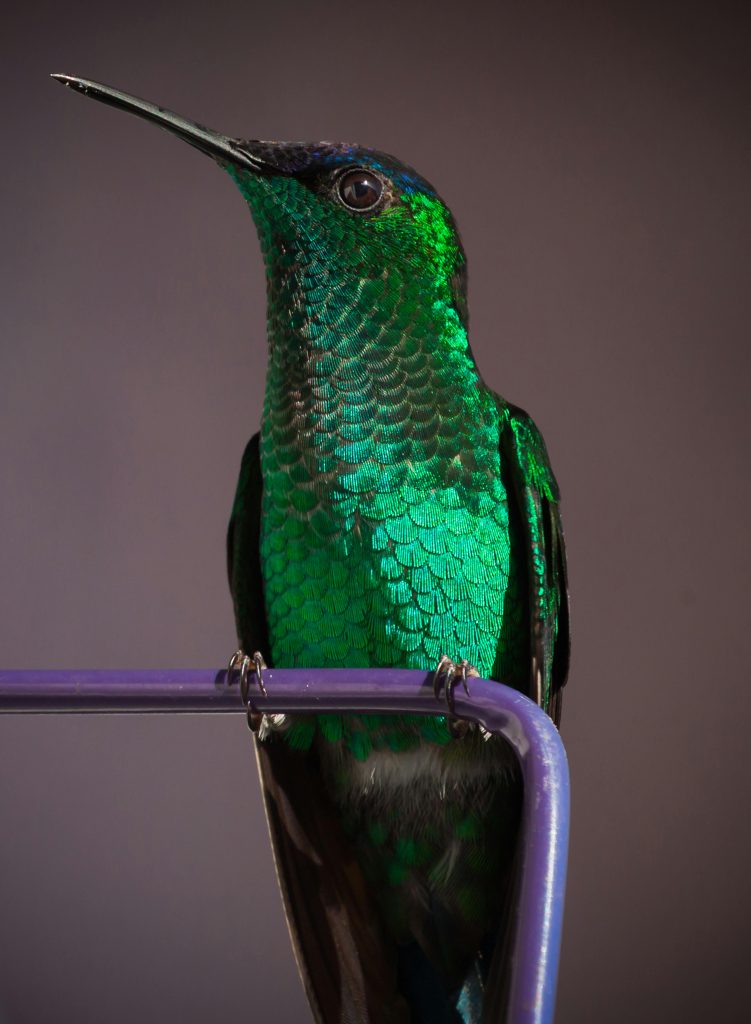
Hummingbirds may be tiny, but they have big personalities — and they’re constantly “talking.” Whether they’re defending territory, impressing a mate, or warning off another hummingbird, these birds have an incredible communication system made of sounds, movements, and even wing vibrations.
Understanding how hummingbirds communicate helps us appreciate how intelligent, social, and surprisingly expressive they really are.
🗣️ Do Hummingbirds Make Sounds?
Yes, hummingbirds are far from silent. Many people only notice their rapid wing beats, but hummingbirds also use a variety of chirps, squeaks, buzzes, and sharp calls to communicate with each other.
Common hummingbird sounds include:
- Short chirps to announce presence
- Sharp warning sounds to defend territory
- Rapid chatter during aggressive moments
- Soft communication sounds near nesting areas
Each sound has a purpose — and other hummingbirds know exactly what it means.
🪽 The Language of Wings
Some hummingbird communication doesn’t come from their beak at all.
Their wings actually create sounds that act like messages.
During high-speed flight or dive displays, hummingbirds produce:
- Whistling sounds
- Buzzing vibrations
- Sudden “whooshing” noises
These wing noises can signal dominance, attract attention, or warn intruders to stay away. Male hummingbirds often rely on dramatic wing sounds to impress females or intimidate rivals.
👀 Body Language and Flight Behavior
Hummingbirds also communicate visually. Their body movements are full of meaning.
Common hummingbird signals include:
- Aggressive hovering – staring directly at another bird
- Fast darting – showing power or dominance
- Wide wing flaring – intimidation posture
- Calm floating flight – showing comfort or curiosity
Even their colorful feathers play a role. The way light reflects off iridescent feathers can appear like a flashing signal to other hummingbirds nearby.
💕 Courtship Communication
During mating season, hummingbirds become especially expressive.
Males perform elaborate flight patterns, dramatic dives, fast swoops, and intentional chirps to impress females. These displays prove strength, agility, and health.
If a female is interested, she may respond with softer movement, calmer hovering, or staying nearby — subtle, but meaningful hummingbird communication.
🧠 Why Hummingbird Communication Matters
The more we learn about hummingbirds, the more we discover how emotionally aware and socially complex they are. They don’t just fly, feed, and leave — they interact, respond, remember, and react to their surroundings constantly.
Their communication system shows just how advanced these tiny birds truly are.