
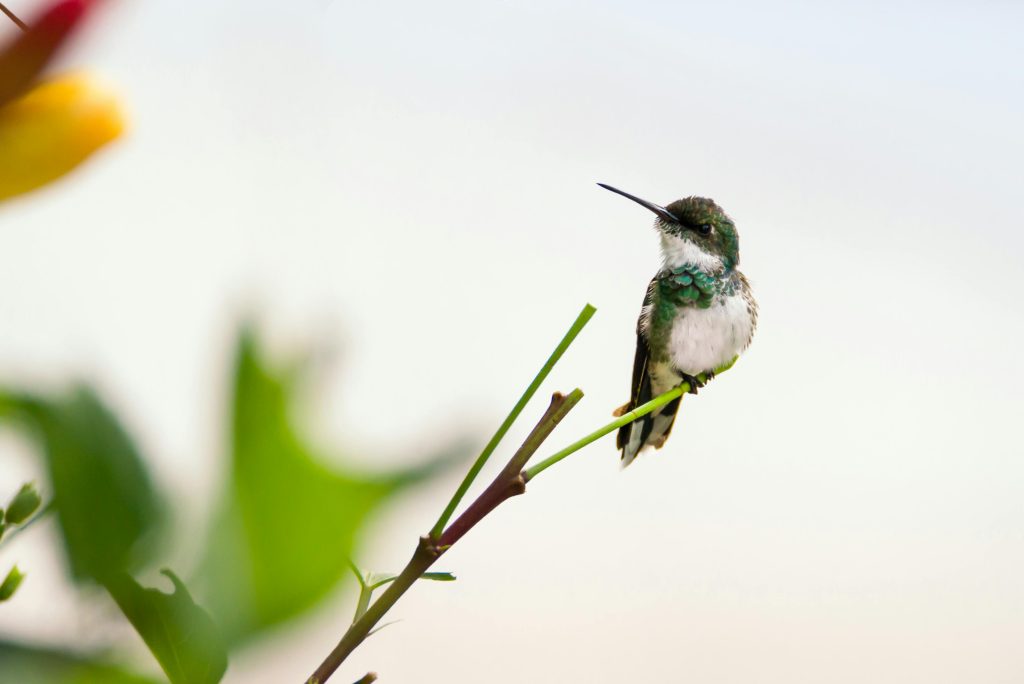
Hummingbirds are famous for their speed, color, and incredible energy during the day—but what happens when the sun goes down? Many hummingbird lovers assume these tiny birds stay active all night, but the truth is even more fascinating.
Do Hummingbirds Sleep?
Yes—hummingbirds sleep deeply every night. Because their bodies burn so much energy during the day, they enter a special state called torpor, a type of deep sleep that drastically slows their heart rate and breathing so they can conserve energy.
What Is Torpor?
During torpor, a hummingbird’s:
- Heart rate drops from over 1,000 beats per minute to as low as 50–180 bpm
- Body temperature drops dramatically
- Movement completely stops
To an untrained eye, a hummingbird in torpor may look lifeless—but it’s simply conserving energy to survive the night.
Where Do Hummingbirds Sleep?
Hummingbirds choose safe, hidden locations to sleep. They often roost:
- Deep inside trees or shrubs
- On thin branches or twigs
- In sheltered areas protected from wind
Males typically sleep alone, while females sometimes sleep near nesting areas when caring for babies.
Do Hummingbirds Fly At Night?
Most hummingbirds do not fly after dark. However, rare exceptions happen during migration or under bright moonlight. Some migrating hummingbirds may travel at night to avoid predators and save energy in cooler temperatures.
Why Understanding Night Behavior Matters
Learning how hummingbirds rest helps us better appreciate how incredibly tough and resilient these small birds really are. Their nighttime survival techniques are just one more reason hummingbirds feel almost magical.