
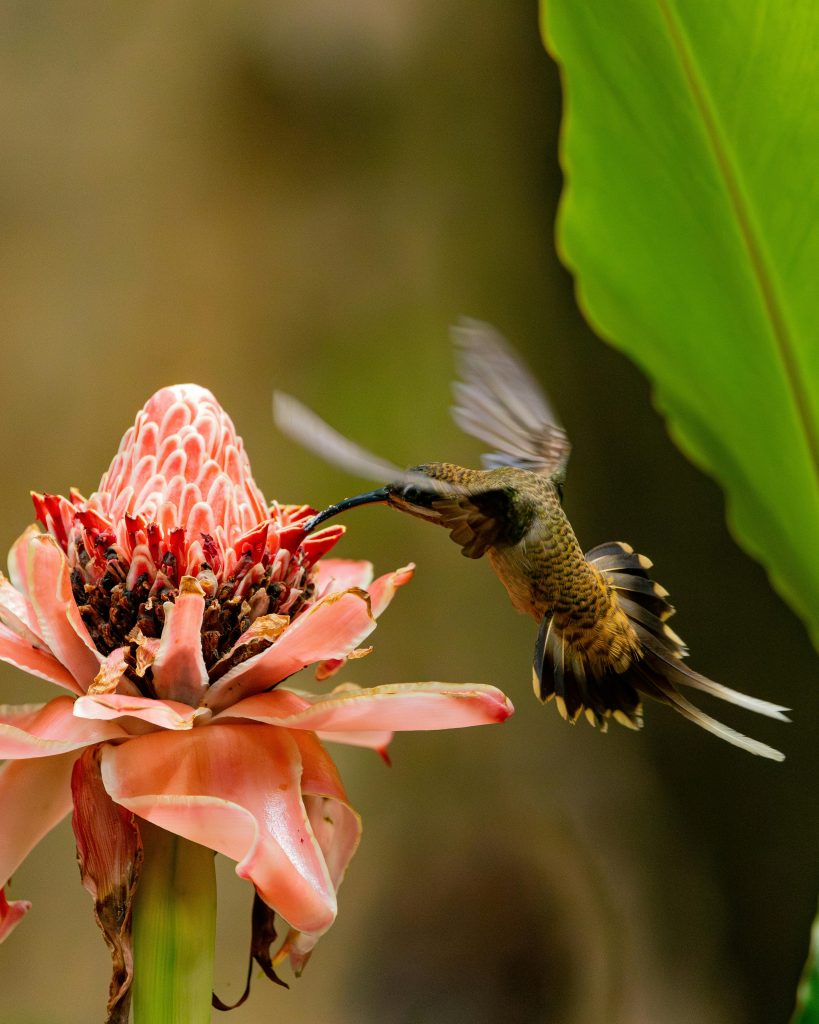
If you’re working hard to attract hummingbirds, the last thing you want is to accidentally poison them. Many common pesticides — even ones marketed as safe — can be devastating to these tiny birds. The good news? You can keep aphids, ants, and other pests under control without putting your hummingbirds at risk.
Here’s what to avoid, what to use instead, and how to handle the most common pest problems hummingbird gardeners run into.
Why Pesticides Are So Dangerous to Hummingbirds
Hummingbirds eat far more than nectar. They rely on small insects — gnats, fruit flies, aphids, spiders — for protein, especially when feeding their young. When you spray your yard, you’re not just killing pests. You’re also killing the food source hummingbirds depend on, and you may be coating the very flowers they drink from in toxic residue.
Neonicotinoid pesticides are particularly harmful. They’re absorbed into the entire plant, including the nectar, and have been linked to serious harm in pollinators and small birds. Avoid them completely.
Safer Pest Control Methods That Actually Work
- Strong water spray: A blast from the garden hose knocks aphids and spider mites right off plants without any chemicals.
- Insecticidal soap: Targets soft-bodied pests on contact and breaks down quickly. Apply early morning or evening, never on flowers actively visited by pollinators.
- Neem oil: A natural option, but use it carefully. Apply only to affected leaves, not flowers, and never during peak hummingbird activity.
- Hand-picking: For larger pests like caterpillars or beetles, just pluck them off. It sounds tedious but works.
- Beneficial insects: Ladybugs and lacewings devour aphids. Many garden centers sell them, or you can attract them with native plants.
Dealing With Ants on Feeders
Ants aren’t a garden problem so much as a feeder problem — and the solution is mechanical, not chemical. Use an ant moat above the feeder. It’s a small water-filled cup that ants can’t cross. Never apply oil, petroleum jelly, or insect repellent to feeder poles. Hummingbirds can pick that residue up on their feathers, which damages their ability to fly and stay warm.
What About Mosquitoes?
Skip the yard fogger. Mosquito sprays kill the small insects hummingbirds eat and can drift onto flowers and feeders. Better options: empty standing water weekly, use a small fan on your patio (mosquitoes are weak fliers), and consider mosquito-eating native plants. Hummingbirds themselves eat tiny mosquitoes, so let them help.
Build a Yard That Defends Itself
The strongest pest control is a healthy, diverse yard. Native plants attract beneficial insects that keep pests in check naturally. Healthy soil grows tougher plants that resist pests on their own. The more your garden mimics a real ecosystem, the less you’ll need to intervene at all.
Every chemical decision in a hummingbird-friendly yard is really a food safety decision. When in doubt, choose the gentlest option — or no option at all. A few aphids on the rose bush won’t hurt anyone. A bottle of insecticide can hurt the birds you’ve worked so hard to welcome.
Related Articles
- Top Questions Asked About Hummingbird Feeders
- Nectar Recipe Mistakes That Hurt Hummingbirds
- Why Do Hummingbirds Fight at Feeders?
Tired of woodpeckers draining your feeder? Shop the For Hummingbirds Only spinning feeder — woodpecker-proof, bee-proof, and made for hummingbirds only.