
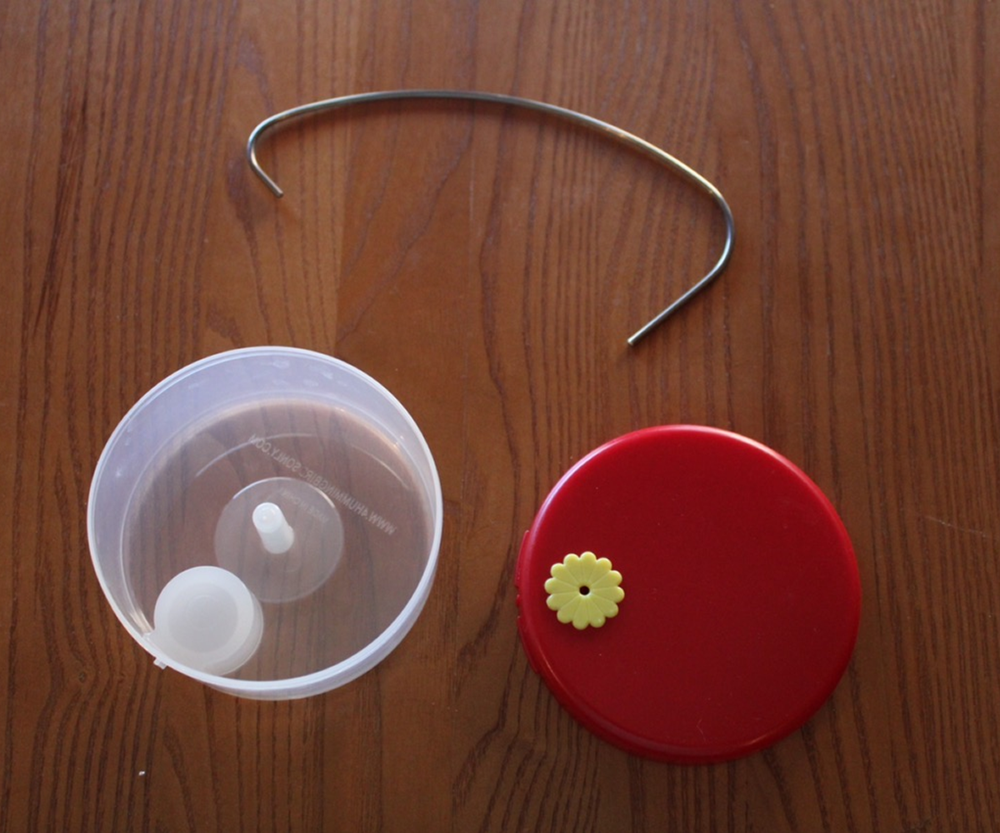
A dirty feeder isn’t just unappealing — it can be dangerous. Sugar water is the perfect breeding ground for mold and bacteria, and a feeder left too long can make hummingbirds sick or even kill them. The good news is that cleaning a feeder takes just a few minutes, and once it’s part of your routine, it’s effortless.
Here’s how to do it right, and how often.
How often should you clean it?
Cleaning frequency depends mostly on temperature, because heat speeds up spoilage:
- Hot weather (80°F+): every 1–2 days
- Warm weather (70s): every 2–3 days
- Cool weather: about once a week
A simple rule: clean the feeder every time you change the nectar. If you ever see cloudy nectar or black spots of mold, clean it immediately, no matter the schedule.
What you’ll need
- Hot water
- A bottle brush and a set of small port brushes
- White vinegar or a tiny amount of mild dish soap
- A clean towel or drying rack
Step-by-step cleaning
- Take it apart. Empty any old nectar and separate the feeder into its parts — base, ports, flowers, and reservoir. Hummingbird feeders are designed to come apart for exactly this reason; a feeder that’s easy to disassemble is one you’ll actually keep clean.
- Rinse with hot water. A hot-water rinse removes most fresh residue.
- Scrub every surface. Use the bottle brush on the reservoir and the small brushes on each port and crevice. Mold loves to hide in the tiny feeding holes.
- Tackle mold with vinegar. For built-up grime or black mold, soak the parts in a mix of one part white vinegar to two parts water for an hour, then scrub. Vinegar is safe, effective, and leaves no harmful residue.
- Rinse thoroughly. If you used soap, rinse until there’s no trace of suds — soap residue can deter hummingbirds and isn’t good for them.
- Dry and refill. Let the parts air-dry or towel them off, then refill with fresh nectar.
Soap or vinegar?
Both work. Vinegar is the gentler choice and our recommendation — it kills mold, leaves no residue, and there’s no risk of soapy aftertaste. If you use dish soap, use only a drop and rinse extremely well.
Never use bleach in a strong concentration or any harsh chemical cleaner that could leave residue behind.
Why this matters so much
Mold and fermented nectar can cause a fatal swelling of a hummingbird’s tongue and throat. It’s one of the most common — and most preventable — causes of feeder-related harm. Clean nectar in a clean feeder is simply the kindest thing you can do for your visitors. (For more on what goes into the feeder, see nectar recipe mistakes that hurt hummingbirds.)
Make cleaning easier
Some feeders are a genuine chore to clean — narrow bottles, fused parts, hidden crevices. A feeder that fully disassembles makes the whole job take a minute or two. Our For Hummingbirds Only spinning feeder is designed to come apart and wipe clean as easily as a food-storage container, so keeping it fresh is never a reason to skip a cleaning.
Related Articles
- Nectar Recipe Mistakes That Hurt Hummingbirds
- Top Questions Asked About Hummingbird Feeders
- Hummingbird-Safe Pest Control for Your Garden
Want a feeder that’s as easy to clean as it is to love? Shop the For Hummingbirds Only spinning feeder — woodpecker-proof, bee-proof, and built for quick cleaning.