
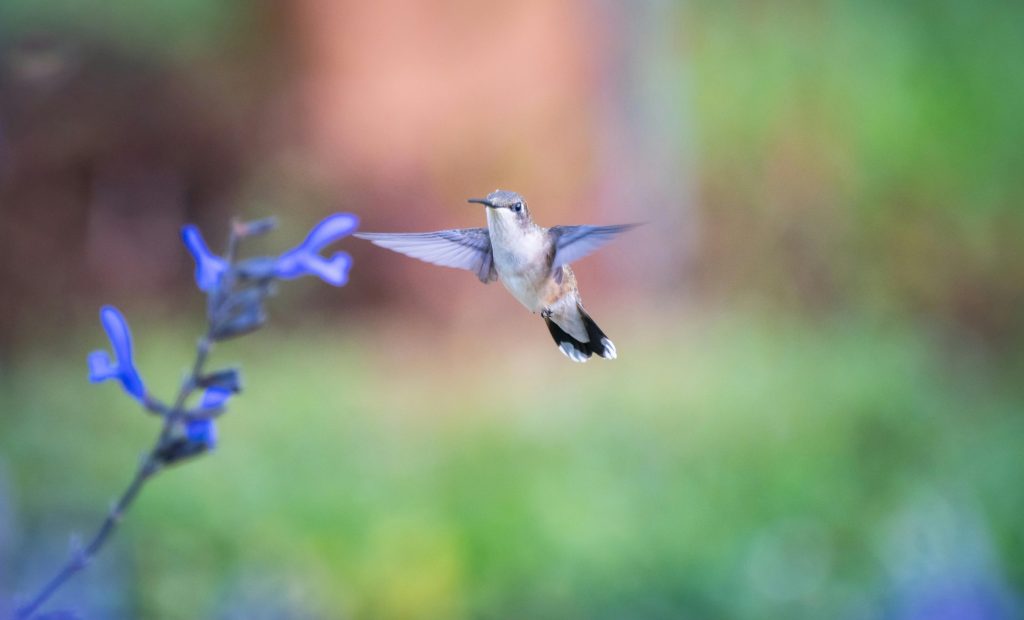
It happens almost every year. Spring is full of buzzing wings and busy feeders, and then suddenly, sometime in June or July, the hummingbirds vanish. Feeders go untouched for days. The yard feels empty. Many people worry they did something wrong.
The truth is that mid-summer quiet is normal — and there are a few specific reasons behind it. Here’s what’s actually happening, and why your hummingbirds will almost certainly be back.
Reason 1: Nesting Season
Female hummingbirds spend a huge amount of time on the nest in early to mid-summer. They incubate eggs for around two weeks and then care for chicks for another three weeks after hatching. During that stretch, mom only leaves the nest briefly to feed, and she usually picks the closest reliable food source — which may not be your feeder.
Males, meanwhile, often retreat to denser cover after mating, where they molt and rest. So the noisy, territorial males that were dive-bombing your yard in May can simply… disappear.
Reason 2: Wildflowers Are Peaking
Mid-summer is when natural nectar sources hit their peak. Wildflowers, flowering trees, and garden blooms are everywhere. Hummingbirds prefer real flowers over feeders when they have the choice — fresh nectar is more nutritious, and flowers also attract the small insects they need for protein. A quiet feeder often just means there’s a buffet somewhere else.
Reason 3: Molting
Hummingbirds molt their feathers in mid to late summer, and the process takes a lot of energy. During molt, many birds become quieter and less visible, sticking to sheltered areas while new feathers grow in. They’re still around — just not zipping around the yard like they were in May.
Reason 4: Local Population Shifts
Some species move slightly with the seasons even before the big fall migration. They might be a few miles away at higher elevation, where wildflowers bloom later. This is especially true in mountain regions and the Southwest.
What You Can Do During the Quiet Stretch
- Keep your feeders up and clean. Don’t take them down — adult females and fledglings will return.
- Change nectar more often, even if it looks untouched. Heat speeds up fermentation, and you want fresh nectar ready when they come back.
- Plant late-blooming flowers like salvia, bee balm, and trumpet vine to bridge the gap.
- Leave a shallow water source. Hummingbirds love misting and bathing in summer heat.
- Be patient. The August surge is coming.
When They Return
Late July through September is often the busiest hummingbird season of the entire year. Fledglings are out of the nest, adult females are no longer tied down, and migrating birds from farther north begin passing through. Many people who give up and take their feeders down in July miss this peak entirely.
If your feeders go quiet in June or July, take a deep breath. You haven’t done anything wrong. Your hummingbirds are nesting, molting, or feasting on wildflowers nearby — and they’ll likely return in numbers before summer ends. Keep the feeders fresh, keep the patience handy, and watch the skies.
Related Articles
- Top Questions Asked About Hummingbird Feeders
- Nectar Recipe Mistakes That Hurt Hummingbirds
- Hummingbird-Safe Pest Control for Your Garden
Tired of woodpeckers draining your feeder? Shop the For Hummingbirds Only spinning feeder — woodpecker-proof, bee-proof, and made for hummingbirds only.